- +91-94636 40466
- info@lgassociates.org

Intellectual Property Law – Trademark Prosecution & Examination
Trademark Objection Reply Services
Received an Examination Report from the Trademark Registry? An objection is not a rejection — it is a stage in the process, and most objections can be overcome with a properly drafted legal response. Lal Ghai & Associates drafts objection replies and represents applicants at Registry hearings, turning objected applications into registered trademarks.
A significant proportion of trademark applications filed in India receive an Examination Report raising one or more objections — yet many applicants treat this as the end of the road and abandon a mark they have already invested in building. This is almost always a mistake. An objection is the Trademark Registry’s preliminary view, not a final determination, and a substantial number of objected applications go on to register successfully once a properly reasoned reply is filed.
Lal Ghai & Associates specialises in drafting and filing trademark objection replies — the single most consequential stage in the trademark prosecution process. We analyse the specific grounds raised, build the strongest available legal and evidentiary response, and represent applicants at Registry hearings where the examiner requires oral submissions before deciding whether to accept the mark for publication.
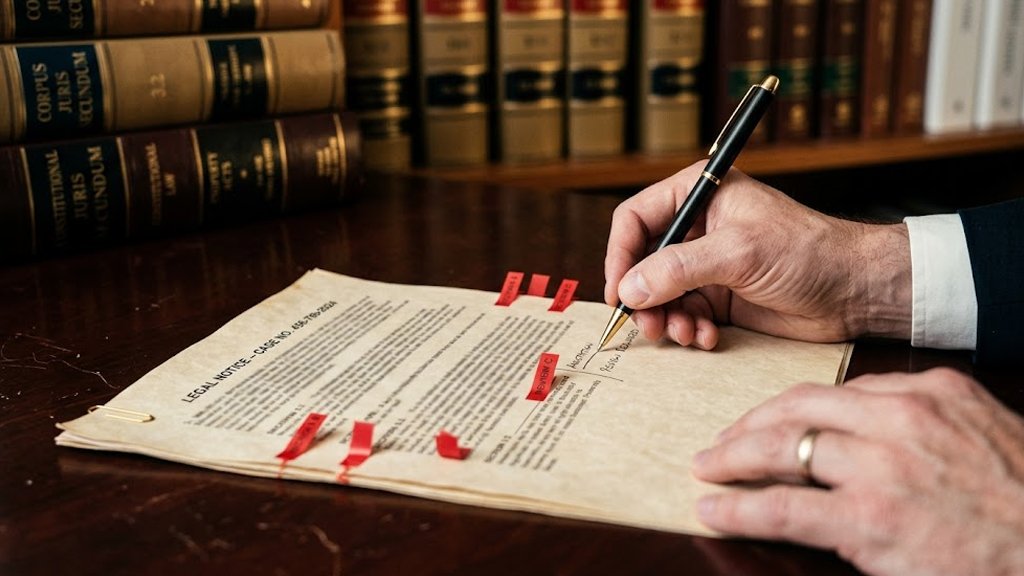
What is a Trademark Objection?
A trademark objection is a preliminary refusal raised by the Trademark Registry in the Examination Report issued after a trademark application is filed, citing grounds under Section 9 (absolute grounds, such as lack of distinctiveness) or Section 11 (relative grounds, such as conflict with an earlier registered mark) of the Trade Marks Act, 1999 — requiring the applicant to file a written reply within 30 days to keep the application alive.
After a trademark application is filed (Form TM-A), the Trademark Registry examines it for compliance with the Trade Marks Act, 1999. If the examiner finds grounds to question the application, an Examination Report is issued setting out specific objections. These objections fall into two broad legal categories: absolute grounds under Section 9, which relate to inherent qualities of the mark itself (descriptiveness, lack of distinctiveness, deceptiveness), and relative grounds under Section 11, which relate to conflicts with earlier registered or pending trademarks.
The applicant has 30 days from receipt of the Examination Report to file a written reply. If the reply satisfactorily addresses the objection, the mark proceeds to publication in the Trademark Journal. If the Registry is not satisfied with the written reply, a hearing is scheduled, where the applicant or their representative makes oral submissions before the Registrar decides whether to accept, conditionally accept, or refuse the application. Failure to respond within 30 days results in the application being treated as abandoned.
Section 9 vs Section 11 — Understanding the Two Types of Objection
Section 9 — Absolute Grounds
Objections relating to the inherent character of the mark itself, independent of any other trademark:
- Mark is descriptive of the goods/services
- Mark is generic or in common use in the trade
- Mark lacks distinctive character
- Mark is deceptive as to nature, quality, or geographic origin
- Mark contains prohibited emblems or symbols
Reply strategy: Evidence of acquired distinctiveness through use, market recognition, sales data, and advertising expenditure — demonstrating consumers associate the mark specifically with the applicant.
Section 11 — Relative Grounds
Objections relating to conflict with an earlier mark already on the register or pending:
- Identical or deceptively similar to an earlier registered mark
- Likelihood of confusion among consumers
- Marks cover the same or related class of goods/services
- Conflict with a well-known trademark
Reply strategy: Distinguishing phonetic, visual, and conceptual differences; arguing different trade channels or consumer base; pursuing consent from the cited prior owner; or honest concurrent use arguments where applicable.
Why a Properly Drafted Reply Matters
The Critical Decision Point
The objection reply stage determines whether an application proceeds to publication or moves toward refusal — it is, in practice, the single highest-leverage moment in the entire prosecution process.
Precedent-Backed Arguments
Indian courts and the Trademark Registry have developed substantial precedent on distinctiveness and similarity standards — citing the right authorities materially strengthens a reply's persuasive force.
Protects the Filing Investment
Government filing fees and the time already invested in the application are preserved by a well-fought reply — abandoning at this stage forfeits that investment entirely.
Preserves Your Priority Date
A successful reply keeps the original filing date intact as the mark's priority date — re-filing from scratch after abandonment means losing that earlier priority entirely.
Hearing Representation Matters
When a written reply alone does not satisfy the examiner, oral hearing performance becomes decisive — experienced representation at this stage measurably affects outcomes.
Unlocks the Path to Registration
Once an objection is successfully overcome, the path to the Trademark Journal, the opposition window, and ultimately the Registration Certificate and ® symbol is reopened.
What Happens If You Don't Respond — Or Respond Poorly
Failure to Reply Within 30 Days = Deemed Abandonment
If no reply is filed within 30 days of receiving the Examination Report, the application is treated as abandoned under the Trade Marks Rules. The applicant loses the original priority date entirely and must, if they wish to pursue the mark, file an entirely new application — re-entering the queue with a later filing date and renewed exposure to any conflicting marks filed in the interim.
Generic, Templated Replies
A reply that does not specifically address the cited prior marks or the precise descriptiveness argument raised is highly likely to be rejected — examiners routinely see boilerplate responses that fail to engage with the actual objection.
Insufficient Evidence of Use
Section 9 distinctiveness arguments without supporting sales, advertising, or market recognition evidence are rarely persuasive — bare assertion of distinctiveness carries little weight without proof.
Missed Hearing Appearances
Failure to appear or adequately prepare for a scheduled hearing typically results in the application being decided against the applicant on the existing record — a costly and avoidable outcome.
Self-Filed Replies Without Legal Grounding
Replies filed without reference to applicable case law or correct legal standards for similarity and distinctiveness significantly underperform professionally drafted submissions in acceptance rates.
Documents & Evidence Required for an Objection Reply
- Examination Report The objection notice received from the Trademark Registry, specifying the exact grounds raised
- User Affidavit Sworn statement establishing the date and continuity of use of the mark, where prior use is being claimed
- Sales & Invoice Records Evidence of commercial use under the mark — invoices, purchase orders, distribution records
- Advertising & Marketing Material Brochures, social media history, packaging, and promotional spend records demonstrating market presence
- Media Coverage / Press Mentions Independent third-party references to the brand, where available, supporting acquired distinctiveness
- Consent Letter (If Pursuing) Written consent from a cited prior mark owner, where a Section 11 objection is being addressed through consent
Our Trademark Objection Reply Services
Reply Drafting & Filing
- Examination Report analysis and ground-by-ground assessment
- Section 9 (absolute grounds) reply drafting with distinctiveness evidence
- Section 11 (relative grounds) reply drafting with similarity analysis
- User affidavit preparation — evidence of prior and continuous use
- Market recognition evidence compilation — sales, advertising, media coverage
- Judicial precedent research and citation
- Consent letter negotiation with cited prior mark owners
Hearing & Post-Reply Support
- Hearing notice review and preparation
- Oral submission preparation and representation before the Registrar
- Written submissions supplementing oral hearing arguments
- Response to conditional acceptance terms (disclaimers, class restrictions)
- Review petition filing against unfavourable orders
- Journal publication monitoring following successful reply
- Coordination with opposition defence if a third party opposes post-publication
Why Businesses Choose LGA for Trademark Objection Replies
Ground-Specific Reply Strategy
We never file generic templates; every reply is built around the specific objection cited and the evidence available
Precedent-Backed Drafting
Our replies cite relevant judicial and Registry precedent on distinctiveness and similarity standards, strengthening persuasive force
Fast Turnaround Within the 30-Day Window
We prioritise objection replies given the strict statutory deadline, avoiding the risk of deemed abandonment
Frequently Asked Questions
A trademark objection is an issue raised by the Trademark Examiner during the examination of your trademark application. It does not mean your application has been rejected. An objection is usually raised if the mark is descriptive, lacks distinctiveness, or is similar to an existing trademark. The applicant can submit a written reply with supporting documents to address the objection and continue the registration process.
You can check your trademark objection status on the IP India Trademark portal by entering your trademark application number. If the status shows "Objected", download the Examination Report to view the reasons for the objection and the next steps. Regularly checking your application status helps you respond within the prescribed time and avoid abandonment.
A trademark objection can be resolved by filing a well-drafted reply to the Examination Report within the prescribed time limit, addressing the examiner's objections with legal arguments and supporting evidence. If required, you may also need to attend a hearing before the Trademark Registry. A successful response allows the trademark application to proceed toward registration.
No. A trademark opposition can only be filed after a trademark application is published in the Trade Marks Journal and before it is registered. Once a trademark is registered, it cannot be opposed. However, if you believe the registration is invalid or conflicts with your rights, you may file a rectification or cancellation petition under the Trade Marks Act, 1999.
To reply to a trademark objection, you must submit a written response to the Trademark Examination Report within the prescribed time limit, explaining why your trademark is eligible for registration. The reply should address each objection with legal arguments and supporting documents, such as proof of prior use, if applicable. If required, you may also need to attend a hearing before the Trademark Registry. A well-prepared reply can help your application proceed towards registration.
There is no separate government fee for responding to a trademark examination objection. However, if the Trademark Registry schedules a show cause hearing, professional fees charged by a trademark agent or legal practitioner may vary depending on the complexity of the case. Government fees apply only to specific procedural filings, if required under the Trade Marks Rules.
A Section 9 objection relates to absolute grounds — the mark's inherent character, such as being descriptive, generic, or lacking distinctiveness. A Section 11 objection relates to relative grounds — conflict with an earlier registered or pending mark that is identical or deceptively similar in the same or related class. Section 9 is typically addressed with evidence of acquired distinctiveness through use; Section 11 is addressed by distinguishing the marks or obtaining consent from the cited prior owner.
The application is treated as abandoned under the Trade Marks Rules. You lose the original filing date as your priority date, and must file an entirely new application if you wish to pursue the mark — re-entering the queue with a later filing date and renewed exposure to any conflicting marks filed in the interim. There is generally no provision to revive an abandoned application after the 30-day window lapses.
Yes, if the applicant demonstrates acquired distinctiveness through extensive and continuous use — meaning consumers have come to recognise the mark as identifying the applicant's specific goods or services rather than merely describing them. This requires substantial evidence of use and market recognition built up over time. A purely descriptive mark with little prior use has a low probability of overcoming this objection.
A consent letter is a written statement from the owner of a cited prior trademark stating they have no objection to your mark being registered. While the Registry isn't bound to accept an application solely because of consent, it's often persuasive, particularly where the marks serve sufficiently different goods or trade channels. Obtaining consent requires direct negotiation with the prior owner.
If the Registry is satisfied, the mark is published in the Trademark Journal, opening a 4-month opposition window. If no opposition is filed, or opposition is resolved favourably, the Registration Certificate is issued and the ® symbol may be used. Successfully overcoming an objection is an important milestone, but publication and opposition stages must still be cleared before final registration.
Lal Ghai & Associates handles trademark objection replies and hearing representation for applicants across India. Examination and prosecution are conducted centrally through the IP India portal and don't require physical presence in a specific state. While the firm has offices in Ludhiana, Mohali, and Gurgaon, objection reply services are available across India. Contact us at +91-94636 40466 or info@lgassociates.org for a free Examination Report review.
Received a Trademark Objection? Don't Let the Clock Run Out.
Send us your Examination Report and we will review the objection grounds, free of charge, and tell you exactly what reply strategy gives your mark the best chance of registration.
Email: info@lgassociates.org | Offices in Ludhiana – Mohali – Gurgaon
Related Services at Lal Ghai & Associates
Objection reply is one stage in the complete trademark prosecution lifecycle. LGA also handles: